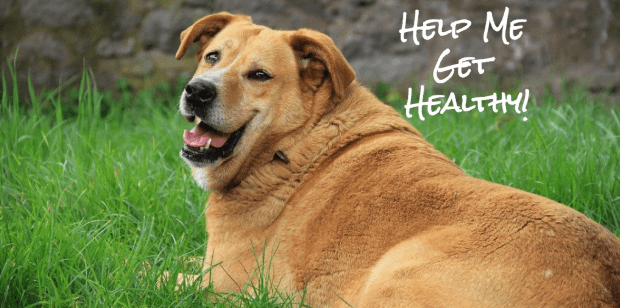
Food is Love. Our dogs in Clarksburg, Germantown and Urbana love eating as much as we do and we love to indulge them. They are so cute and give us such sad imploring looks. How can we resist? Yes, a large portion of our pet population is overweight. It takes a multimodal approach of small changes to achieve success and your vet can help!
1.) Get More Exercise. Even if it’s a slightly longer walk some days or an extra one on the weekends, it helps. Play more indoors or out. They don’t have to train for a marathon, just move a little more.
2.) Check Your Dog Food. An average dry adult dog food has about 350kcal/cup. Many of the more natural boutique diets are almost 500kcal/cup. A proper “Light” diet is usually under 300kcal/cup. The nutritional information is available online or on the bag. Canned dog food can be compared as well. Choose a diet lower in calories before you have to drop the volume – or do both. Clarksburg Animal Hospital can help you compare this at your annual check-up and set you up with a customized dog nutrition plan.
3.) Reduce Food. Most food bags are labelled to sell more dog food. Your vet knows it is rare that the recommended amount is appropriate. Consider reducing the amount of regular food you give by 10-25% each meal. Measure at each meal and make the cup level with food rather than mounding or estimating.
4.) Use Smaller Treats. If you give large treats multiple times a day, it can be like another full meal in calories. Break the treat(s) into multiple pieces. Dogs want the interaction with you and the amount they get isn’t a factor for them. Giving only half a treat drops their treat calories by 50% without any change in routine. Break them up further and do the math! Look for smaller lower calorie dog treats instead of breaking up the larger ones.
5.) Switch Treats to Green Beans or Popcorn. It must be plain air-popped popcorn to count – no butter! Dogs like canned or frozen green beans better than fresh. Veterinarians love to try these low calorie items for dog diets. Both green beans and plain popcorn are very low in calories and high in fiber and most dogs like one or the other or both. If your dog likes ice cubes, that is a great treat too – and calorie free!
6.) Have a Family Treat Jar(s). Your vet in Clarksburg recommends that one person fills a container with your dog’s total treats and/or food for the entire day. Everyone else takes from that container only. Once they are gone, no more treats. If that causes family arguments, consider splitting the treats among containers for each household member.
7.) No Feeding Dogs from the Table. Most of us who do this are unaware how much they actually give during each meal. If you must do it, have a bowl of popcorn or green beans at the table for them and don’t give other people food. It may even work to use some of their regular food from their total daily amount.
8.) Food Puzzles. There are tons of Dog Food Puzzles to choose from. Feed one meal per day from a puzzle. Rotate the puzzles to keep it interesting and challenging. It gives dogs a little more activity and uses some brain power too.
9.) Rotate Dog Toys. Clarksburg Animal Hospital recommends putting out a few toys every couple of days and put away all the toys that had been out. It keeps them more interesting and new, uses a little more brain power and may encourage a little more activity.
Especially if your dog is on a special diet for treating a medical issue, check with your veterinarian in Clarksburg, Germantown or Urbana about adjusting your dog’s food and treats. If you aren’t sure if your dog is overweight, please check with your veterinarian before you drop their food. We always evaluate weight and body condition score at each annual check-up to help you stay on track. There are so many pathways to success and ways to adapt your routine to your dog and your lifestyle, everyone can have a healthier weight dog who will live longer. We all hope for that!